
Darth Vader ROTJ
Saber CoreXenopixel V3
Blade typeNeopixel · Duelling
Sound fonts34 + custom
$389.99
View saber →
44 Duelling-grade hilts — heavier blade profiles, reinforced emitters, sound fonts tuned for the impact of live-contact play.
Four curated grades sit under Lightsabers — each shaped for a different way of using the saber. You're on Duelling. Cross-shop the rest below.
Cabinet pieces, character-faithful builds, and hero display sabers — thinner blade profiles tuned for lighting and shelf presence.
Browse Display Grade →Movie-accurate hilts prioritising screen fidelity for photography and convention wear — belt loops, quick-mount specs, festival-ready.
Browse Cosplay Grade →Top-tier Proffie 2.2 and Xenopixel V3 builds, numbered ARTSABERS Exclusives, and the sabers reserved for the display case rather than the sparring ring.
Browse Collector Grade →The six Duelling Grade sabers our customers rate first — thick-wall blades, reinforced emitters, contact-tested across every Saber Core tier.

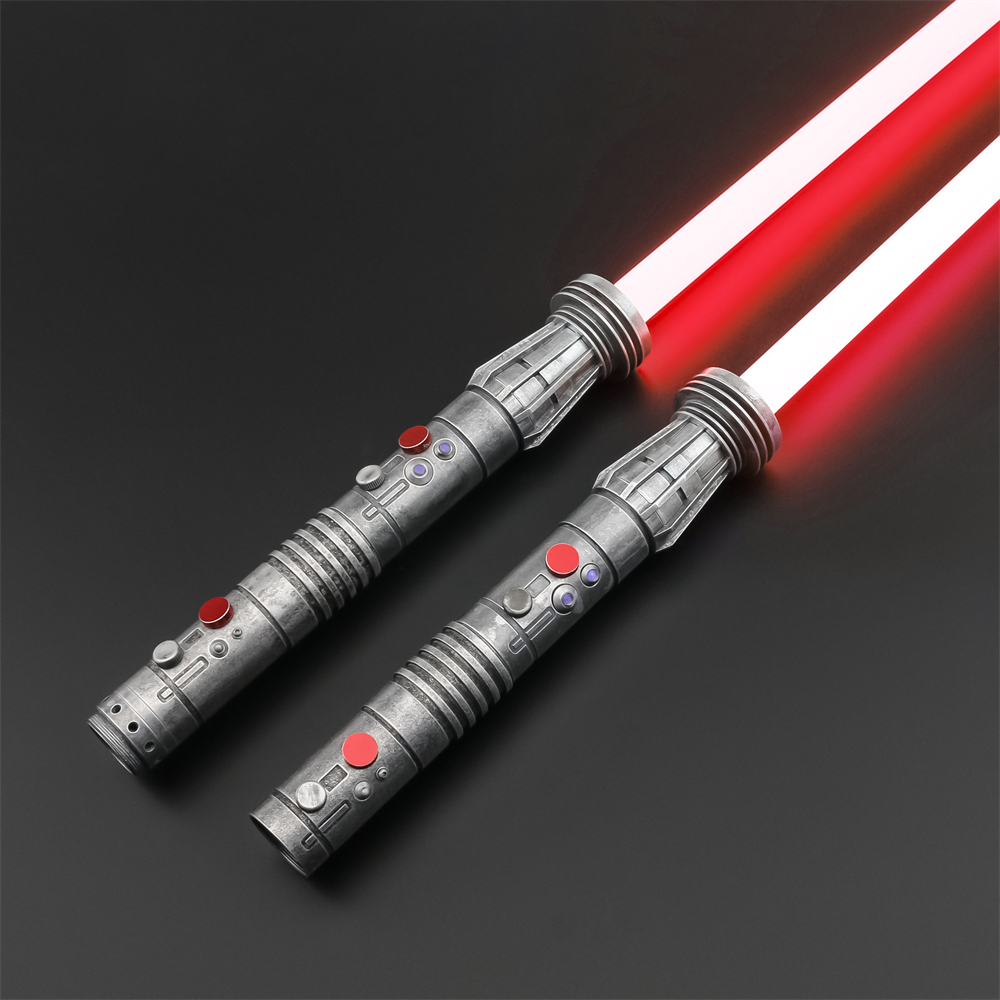
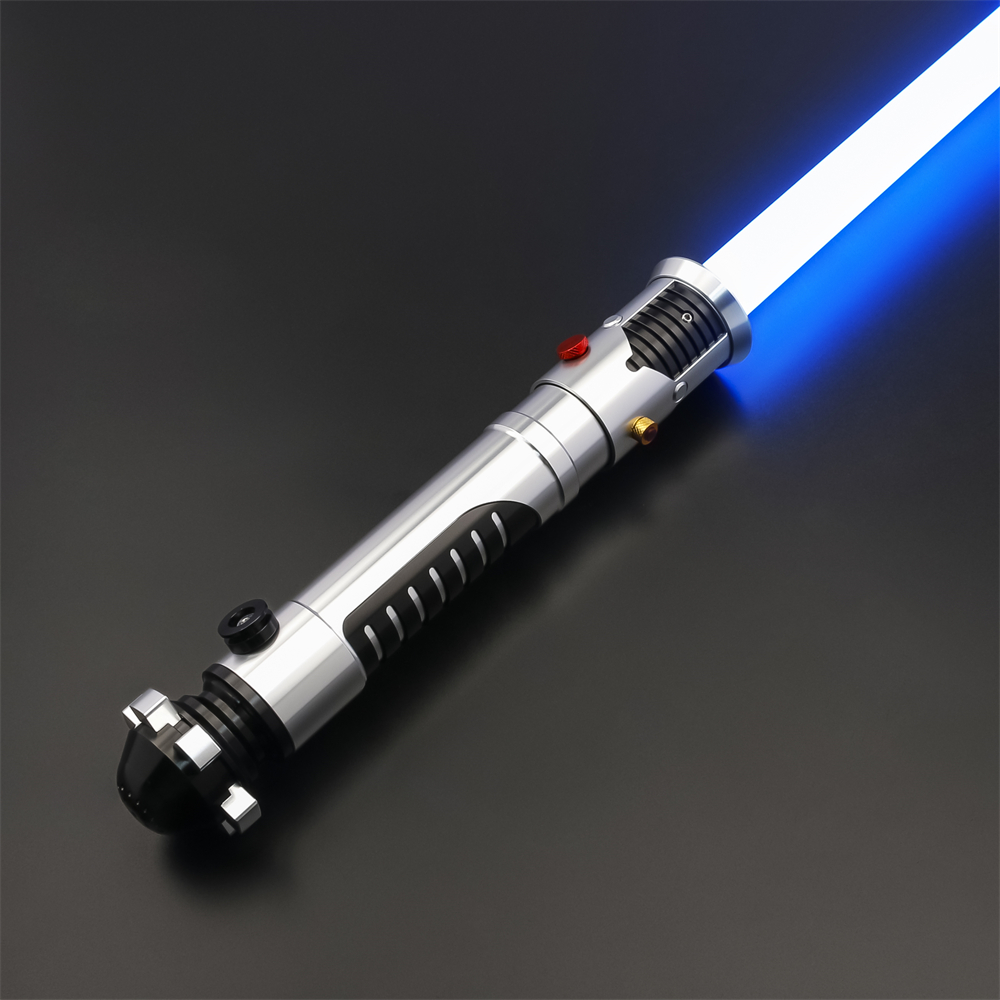
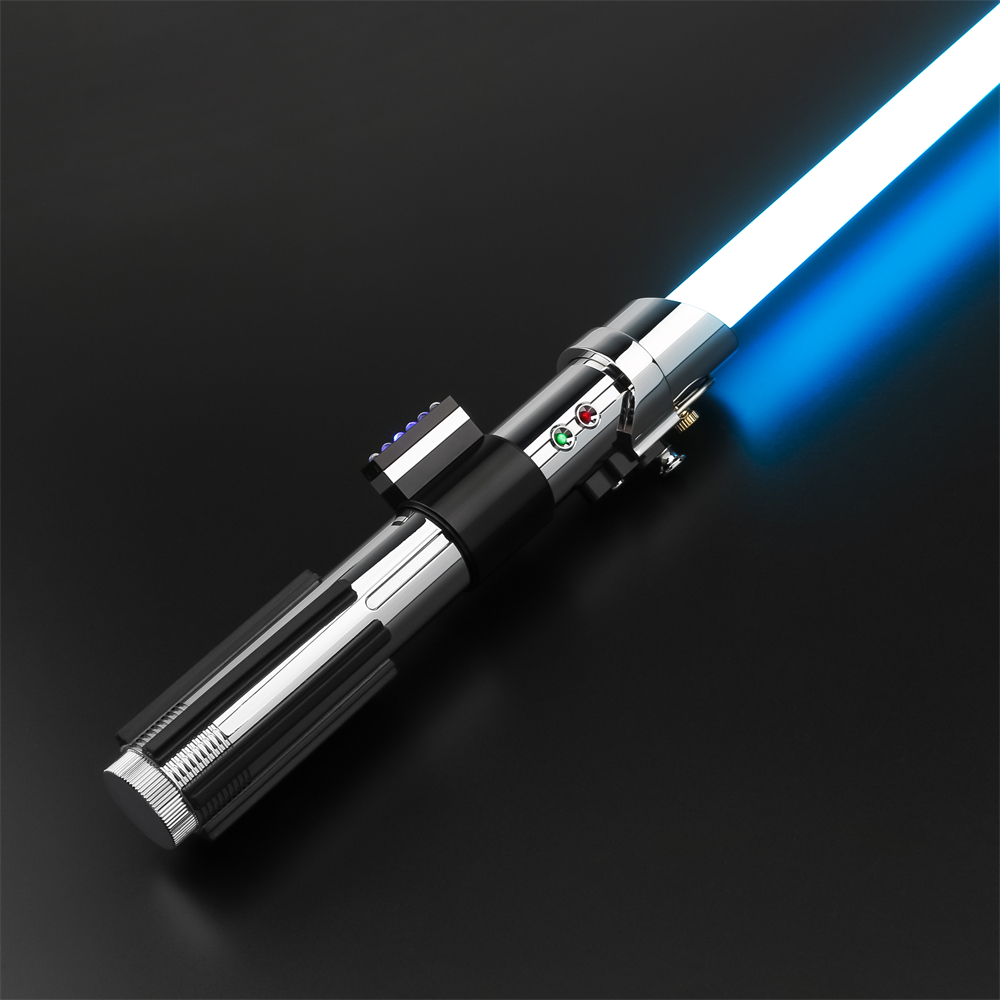

A display-grade hilt is engineered to look right — the blade profile is thin so the LED throw reads clean on camera and the emitter can be delicate because nothing is ever going to hit it. Duelling grade is a different physics problem entirely. A blade that survives repeated hard contact needs a materially thicker wall — 3mm and up rather than the 2mm that suits a display piece — because every strike sends a shock wave down the tube and a thinner wall eventually cracks along the length. The material is heavier, the swing feel is different, and that's the correct trade: weight for durability, drag for the ability to actually hit something and continue.
The second half of the problem is the emitter. On a hit, force runs down the blade into the collar where the blade meets the hilt — a thousand small pivots over the life of a saber. A display emitter is a decorative sleeve; a duelling emitter is a machined metal cage, torqued through the hilt body rather than snapped in, engineered to hold the blade true through hundreds of parries without loosening or coming out of alignment. When we build a Duelling Grade hilt, that cage is where the extra spend goes — you pay for machining a display saber doesn't need because a display saber never gets asked to keep the blade square on impact seventy times in a row.
Contact play also means the hilt lives a different kind of life between sessions. Screws work loose, o-rings compress, the blade takes on light scoring you can feel with a fingernail even when the eye can't see it. A duelling saber wants a five-minute inspection after each heavy session — check the emitter torque, look down the blade for stress marks, wipe the collar clean of shed polycarbonate residue — and that discipline is the difference between a hilt that lasts a season and one that lasts a decade. None of this matters to a collector; all of it matters to a duelist. The grade exists because the two use cases are actually different sports.
The grade isn't premium-only. Six more of the twenty-four, most on the RGB-X Core — Bluetooth app-configurable, infinite blade colours, above-baseline sound font counts as standard, under $290 across the board.
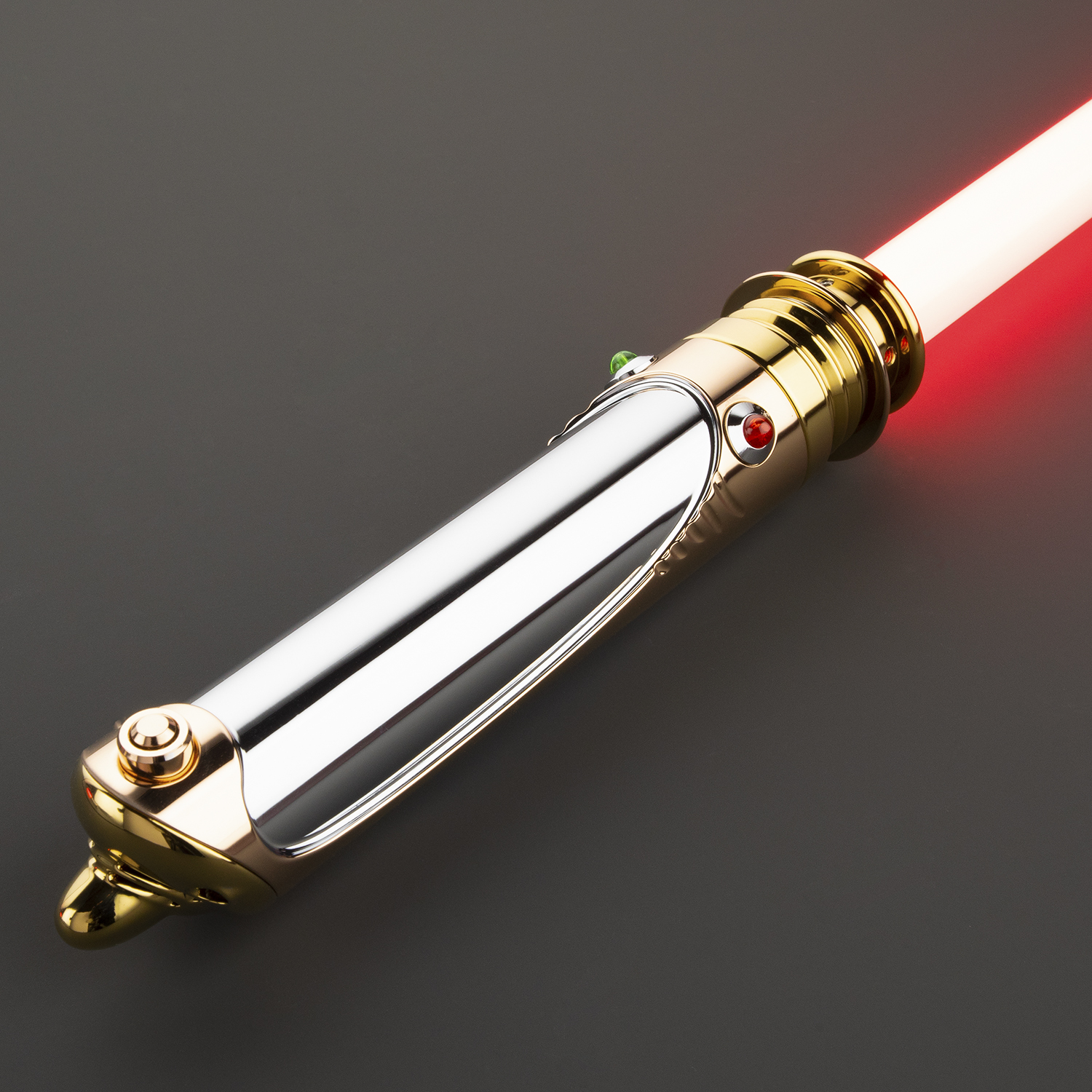 Ships in 7–10 days
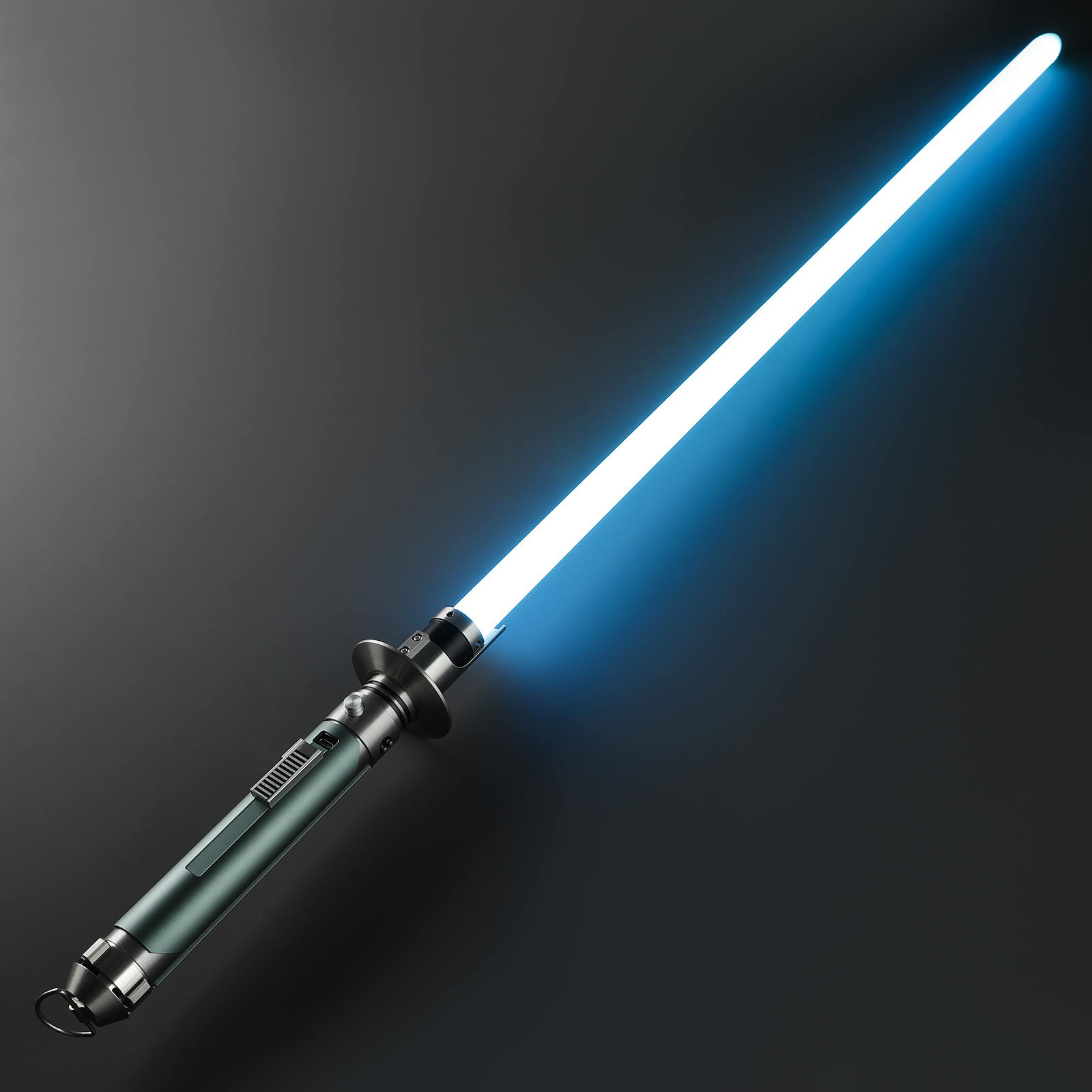 Ships in 7–10 days
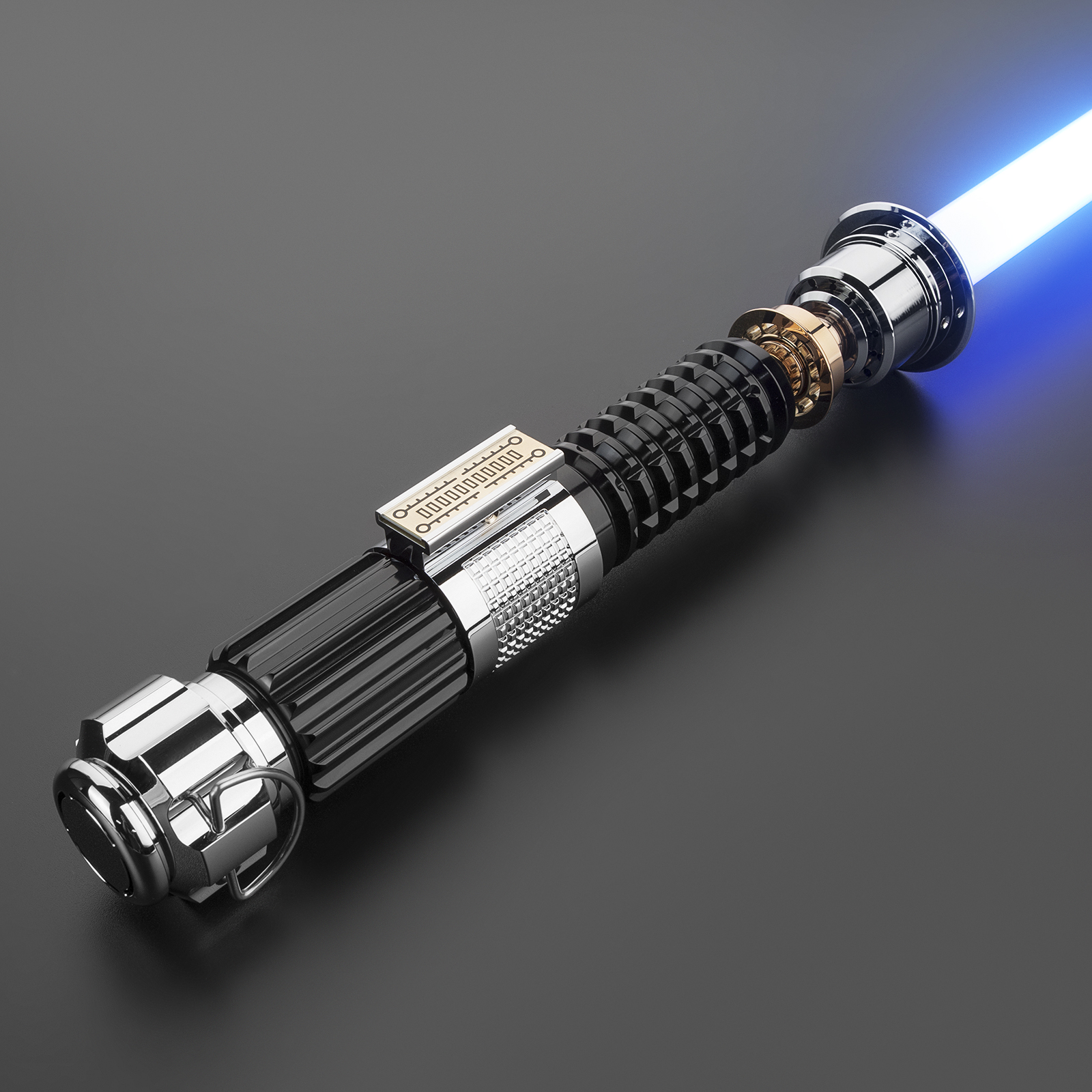 Ships in 7–10 days
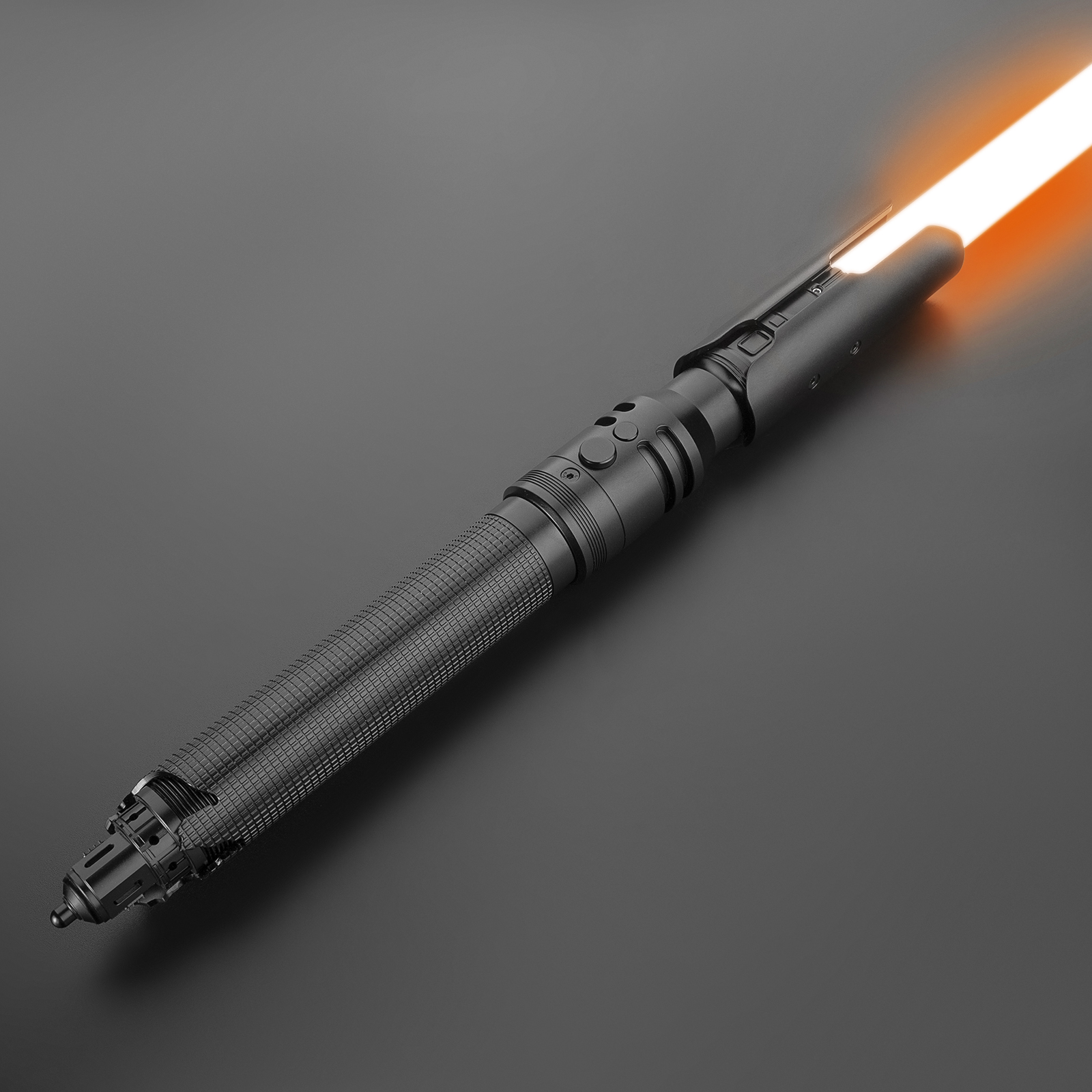 Ships in 7–10 days
 Ships in 7–10 days
 Ships in 7–10 days
Three cross-category essentials that make a duelling hilt last — spare blades, a stand for between-session storage, and a practice saber for drills.
A duelling blade is consumable. Keep a 3mm+ replacement on hand so a scored blade never sidelines a session — colour-matched to your Core, sized to your hilt.
Shop spare blades →Vertical hilt stands built for the heavier duelling-grade builds — wide bases, deeper cradles, the profile a top-tier duelling hilt actually needs between sessions.
Shop stands →Weighted training hilts sized for form drills, footwork, and solo practice. Not a live category yet — coming to Parts & Accessories once we've locked the spec.
Coming soon